Find the right protein
for your situation
Research-backed guides to protein supplements — independently written, regularly updated.
What's bringing you here today?

"I work out regularly but I'm not sure if my protein powder is actually helping."
Best protein for muscle gain
"I want protein to keep me full, but most shakes seem loaded with sugar or calories."
Best protein for weight loss
"Whey protein upsets my stomach. I need something that actually works without the side effects."
Dairy-free & lactose-free options
"There are so many types — whey, plant, isolate, concentrate. I have no idea what I actually need."
Complete protein powder guide
"Most products feel designed for bodybuilders. I just want something that fits my actual lifestyle."
Best protein powder for women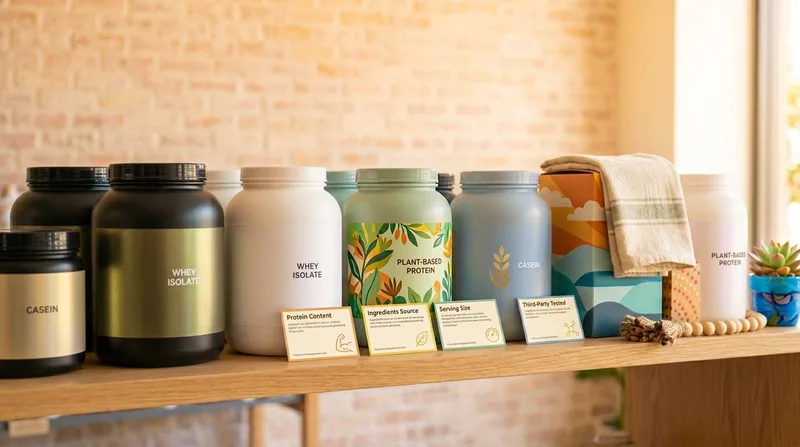
"The market is full of big promises. I want an honest breakdown of what each brand is actually like."
Brand reviews & comparisonsQuick answers
Common protein questions, answered clearly
No fluff. Each answer is a summary — the full guide goes deeper.
What's the difference between whey isolate and whey concentrate?
Isolate is more processed, has more protein per serving (90%+), and less lactose — making it better for sensitive stomachs. Concentrate is cheaper and retains more natural compounds but has slightly less protein (70–80%) and more lactose.
Full comparison guide →Is protein powder actually necessary, or can I get enough from food?
Most people can meet protein needs through food alone, but powder is a convenient way to hit targets when whole-food sources aren't practical — especially post-workout or for people with high requirements.
Complete protein powder guide →What should I look for on a protein powder label?
Check protein per serving (aim for 20–25g), the ingredient list (protein source should be first), sugar content, and third-party testing certifications like NSF or Informed Sport — these verify what's actually in the product.
Safety testing & certifications guide →Can protein powder cause bloating or digestive issues?
Usually yes, if you're lactose-sensitive and using a whey concentrate. Switching to whey isolate (lower lactose) or a plant-based powder typically resolves this. Artificial sweeteners like sorbitol can also be a culprit.
Lactose-free options →All guides